
The Best Cheese for a Tuna Melt
By The Sandwich App · Updated June 2026
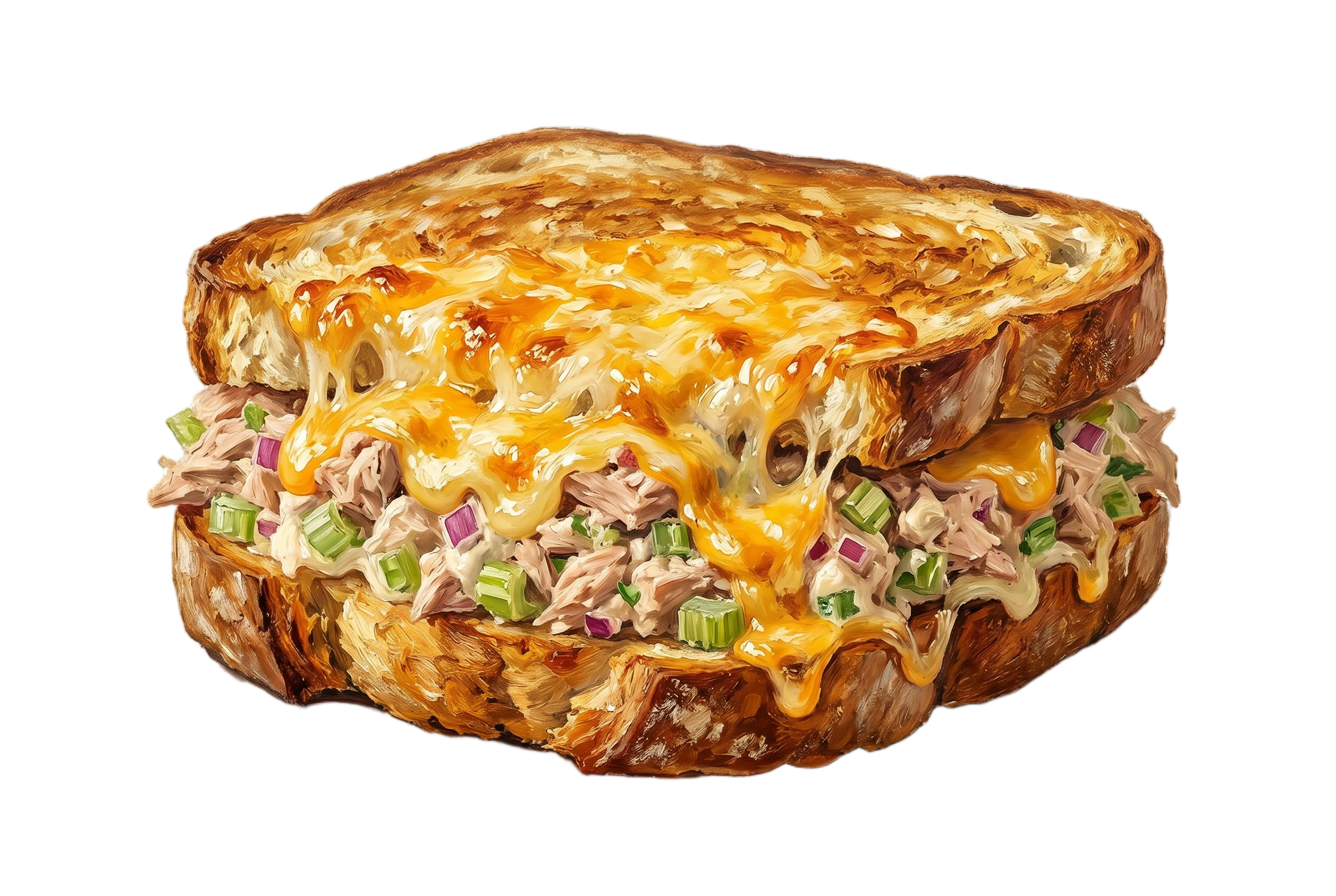
We've burned through a lot of canned tuna chasing the perfect melt, and the cheese question kept tripping us up. The thing nobody tells you: tuna salad is rich, oily, and assertive, so a timid cheese just disappears into it. You want something that melts into a real blanket AND fights back on flavor. We griddled the usual suspects side by side, same bread, same tuna, and watched which ones pooled, which broke into grease, and which actually tasted like anything once the mayo and fish got involved. Here's what held up.
What makes a cheese right for tuna melt
Two jobs, and most cheeses are only good at one. First, it has to melt into the tuna and bread instead of sitting on top in a stubborn slab. Second, it has to carry flavor through a mouthful of oily, mayo-bound fish. Mild and meltable gets you a gooey sandwich that tastes like wet bread. Sharp but stubborn gets you flavor and an oil slick. The winners do both.
Melting comes down to moisture, fat, and how the proteins are bound. Softer, younger cheeses flow at lower heat. Aged, drier cheeses tend to break, meaning the fat weeps out and you get that greasy puddle nobody wants on a tuna melt. That's the whole tension here, and it's why the answer isn't just "the sharpest cheddar you own."
The contenders, ranked by how they actually behave
We're not going to pretend every cheese is equally good. Some are workhorses, a couple are situational, and one is the safe default we reach for most nights.
- Sharp cheddar — the classic, and our top pick for flavor. It stands up to the tuna and tastes like something. Use sharp, not extra-sharp aged blocks, which can turn grainy and weep oil when melted. A medium-sharp block shredded fresh is the sweet spot.
- American — the smoothest melt on this list, full stop. The emulsifying salts (sodium citrate) keep it creamy instead of breaking into grease, so it glues the sandwich together better than anything. The trade-off is flavor; it's gentle against the tuna. We use it as a melt insurance layer, often paired with cheddar.
- Swiss or Gruyère — nutty, deli-style, the move if you want a tuna melt that tastes a little grown-up. Gruyère melts beautifully and brings sweetness and depth; Swiss is milder but classic. Both can break if rushed, so keep the heat moderate.
- Monterey Jack — mild, buttery, and a fantastic melter. On its own it's a touch quiet against tuna, but blended with cheddar it smooths everything out.
- Provolone — clean, slightly tangy, melts well, very pizzeria. A solid choice if you want stretch without much funk.
- Pepper jack — same easy melt as Jack with a chili kick. If you like heat in your tuna melt, this is the one. It also wakes up an otherwise rich, flat-tasting sandwich.
Our pick: sharp cheddar, or cheddar plus American
If we get one cheese, it's sharp cheddar. It's the only one that reliably tastes like itself after wrestling with tuna salad, and it's what most people picture when they picture a tuna melt. Shred it fresh off the block; pre-shredded is coated in anti-caking starch that fights a clean melt.
If we get two, it's sharp cheddar plus American. The cheddar brings the flavor, the American brings the bulletproof, creamy melt and keeps the cheddar from breaking. This combo is what we make when we actually want to enjoy the sandwich rather than test something. For heat, swap the American for pepper jack.
How much cheese, and where to put it
Don't be shy, but don't drown it either. Roughly one to one and a half ounces per side does it, so about two thin deli slices or a generous handful of shred for one sandwich. Too much cheese and it overwhelms the tuna and oozes everywhere; too little and the whole point is lost.
Put cheese on both sides of the tuna, not just the top. A layer against each slice of bread means the cheese melts into the bread and seals the sandwich shut, so it holds together instead of sliding apart on the first bite. Tuna in the middle, cheese hugging it from both sides. This is the single biggest upgrade for most home tuna melts.
Bread and griddle, quickly
Sturdy bread wins: sourdough, a good white sandwich loaf, or rye if you want the deli version. Anything too soft turns to mush under the tuna's moisture. Butter the outsides, or use mayo on the outside for an even browner, crispier crust.
Griddle it low and slow over medium-low heat, lid or foil tent on for a minute to trap heat and melt the interior before the outside burns. You're aiming for the cheese to be fully molten by the time the bread hits deep golden. Rush it on high heat and you get scorched bread wrapped around cold, half-melted cheese, which is the most common way a tuna melt goes wrong.
Frequently asked questions
What is the single best cheese for a tuna melt?
Sharp cheddar. It's the one cheese that keeps its flavor after melting into oily tuna salad, and it's the classic taste people expect. Shred it fresh from a block rather than buying pre-shredded, which is coated in starch that hurts the melt. If you want both great flavor and a creamier melt, pair sharp cheddar with a slice of American.
Why does my cheese turn greasy on a tuna melt?
That's the cheese breaking, where the fat separates out from the proteins under heat. It happens most with aged, dry cheeses like extra-sharp or very aged cheddar. Use a medium-sharp block, keep the heat at medium-low, and don't overheat it. American cheese resists breaking entirely because its emulsifying salts hold the fat in, which is why it stays creamy.
Should I put cheese on both sides of the tuna?
Yes. A layer of cheese against each slice of bread melts into the bread and seals the sandwich, so it holds together instead of falling apart. Put the tuna in the middle with cheese hugging it top and bottom. It's the easiest fix for a tuna melt that slides apart when you bite it.
Can I use mozzarella for a tuna melt?
You can, but we wouldn't lead with it. Fresh mozzarella is too wet and adds water to an already moist filling; low-moisture melts fine but is mild and stretchy without much flavor to stand up to the tuna. If you want mild and meltable, Monterey Jack or American does the job better. Mozzarella works best blended with a sharper cheese.
How much cheese should I use on one tuna melt?
About one to one and a half ounces per side, which is roughly two thin deli slices or a generous handful of shredded cheese for a single sandwich. Splitting it across both sides of the tuna melts more evenly and seals the sandwich better than piling it all on top.