
The Best Bread for Grilled Cheese
By The Sandwich App · Updated June 2026
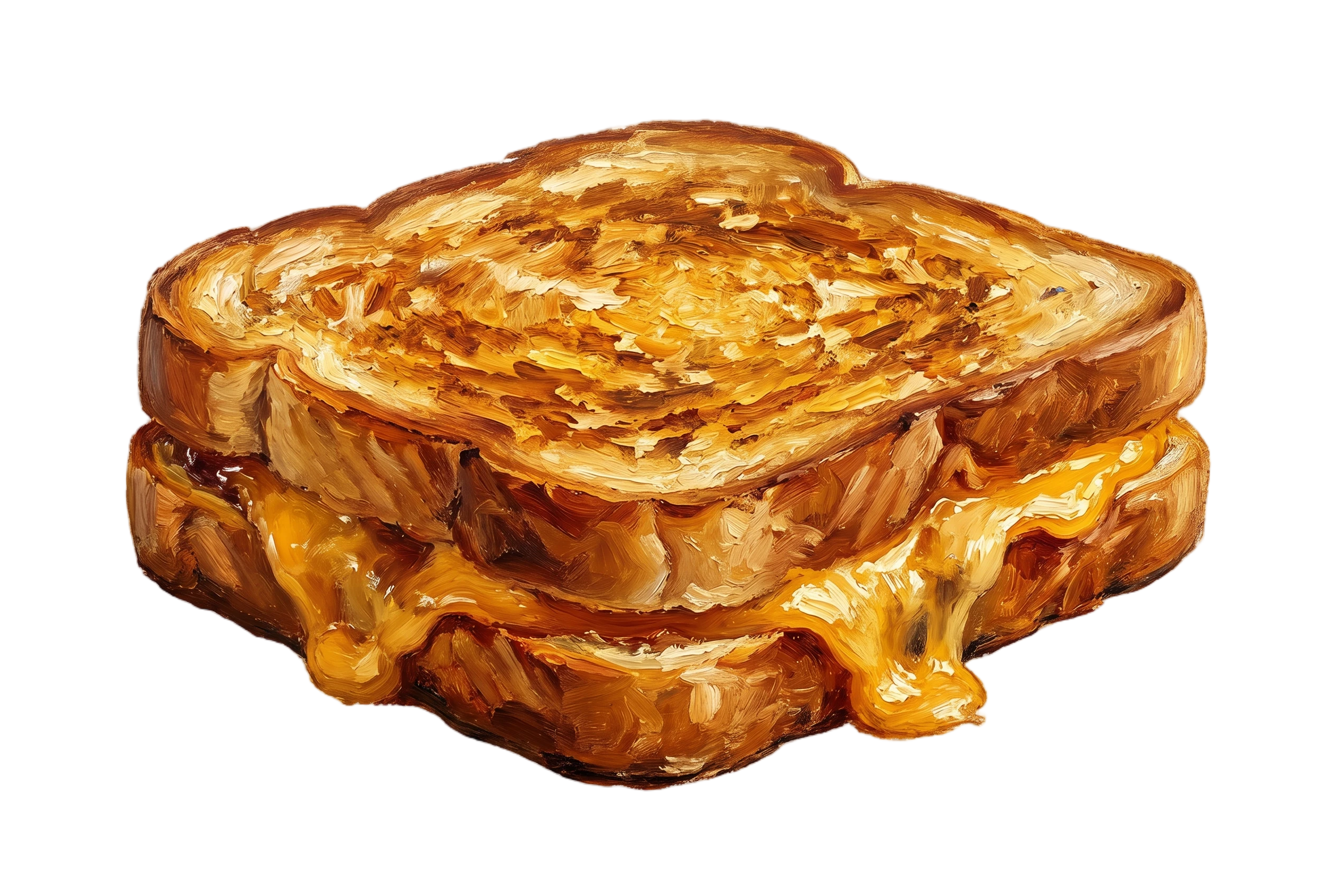
We have a melted-cheese stain on our test-kitchen griddle that is older than some of our recipes. It came from a hole-y artisan loaf that we were sure would be perfect, right up until the cheese ran straight through the crumb and pooled on the cast iron. That sandwich taught us the most important lesson about grilled cheese: the bread is doing real structural work. Pick the wrong loaf and even great cheese leaks, burns, or refuses to melt. So we griddled our way through sourdough, Pullman, brioche, whole-grain and Texas toast. Here is what actually held up.
Our top pick: a moderate sourdough or a classic Pullman loaf
After a lot of butter and a few smoke alarms, we keep coming back to two breads. A medium-tang sourdough is our go-to when we want flavor that fights back. That slight sourness cuts the fat of melted cheddar or Gruyère, the crumb is tight enough to hold a molten center, and the crust crisps without shattering. The catch: choose a denser deli-style sourdough, not the wildly open, blistered bakery boule. Big air holes are exactly how cheese escapes.
When we want a clean, no-surprises sandwich, we reach for a Pullman loaf. Pullman is baked in a lidded pan, so it bakes up square, fine-grained and even edge to edge. Every slice is the same shape, which means every sandwich cooks the same way. It is soft like white sandwich bread but a touch sturdier, and that even crumb is the single most reliable thing you can put on a griddle. If you only buy one bread for grilled cheese, buy a good Pullman.
Slice it about half an inch thick
This is the detail most people skip, and it matters more than the brand on the bag. We slice grilled cheese bread at roughly a half inch, about 1.25 cm. Thinner than that and the bread browns and crisps before the cheese in the middle has a chance to melt, leaving you with a crunchy sandwich and a cold, solid core. Much thicker and you get the opposite problem: a beautifully golden outside wrapped around cheese that never fully turns to lava.
If your bread is pre-sliced thick, drop the heat. We cook a fat slice on medium-low and give it time, lid on, so the heat creeps to the center before the outside scorches. Low and slow beats high and fast almost every time. Patience is the secret ingredient nobody lists.
The full ranking, and what to skip
We griddled the usual suspects side by side. Here is how they shook out, best to most situational.
- Pullman / white sandwich loaf — the safe genius. Even crumb, square slices, crisps predictably. Best all-rounder.
- Sourdough (deli-style, tighter crumb) — best flavor. The tang balances rich cheese. Avoid the super-open artisan boules that leak.
- Pain de campagne / country loaf — a sturdy, lightly sour everyday bread that toasts well; pick a denser one and slice it yourself.
- Sturdy whole-grain or seeded — earthy and great under bolder fillings like sharp cheddar plus caramelized onion. Go for a tight, hearty loaf, not a soft fluffy wheat sandwich bread.
- Brioche / milk bread — rich, buttery, almost caramelizes from the sugar in the dough. Delicious but tricky: the sugar browns fast, so it can scorch before the cheese melts. Cook it low and watch it.
- Texas toast — pre-cut thick (close to an inch), less sweet than brioche, and it crisps up beautifully if you keep the heat gentle.
- Skip: airy, blistered artisan loaves with big holes. The cheese drips straight through and burns on the pan. We learned this the messy way.
Butter vs. mayo, and what the bread wants
The fat you spread on the outside changes how the bread behaves, so it belongs in any honest bread conversation. Butter gives that classic flavor and deep gold color, but it has a low smoke point, roughly 300 to 350°F, so it can burn before a thick slice cooks through. Cold butter also tears soft crumbs because it won't spread.
Mayonnaise is the test-kitchen cheat we reach for more than we'll admit. It spreads straight from the fridge, browns just as well thanks to its oil content, and its smoke point is far higher, around 450°F, so it forgives a hotter pan. The result on most breads is crisp where it browns and a little fluffier underneath, where butter tends to dry the whole slice out. Our usual move: mayo on the outside for crunch and insurance, a thin smear of softened butter on the inside for flavor. On sweet breads like brioche, lean toward mayo so you have more room before the sugars scorch.
How we'd actually build it
Start with a half-inch Pullman or a tighter-crumb sourdough. Spread mayo on the two outer faces. Shred your cheese rather than slicing it, because shreds melt faster and more evenly, which means the bread spends less time on the heat and is less likely to overshoot to burnt. Build the sandwich, set it on a medium-low pan, and cover it for the first couple of minutes to trap heat and melt the center.
Flip once it's deep golden, not pale, and finish the second side uncovered for a final crisp. If you can hear a steady, gentle sizzle and not an angry one, you're at the right temperature. Let it rest thirty seconds before cutting so the cheese sets just enough to stretch instead of sliding out. That's the whole game: the right bread, the right thickness, and a pan that isn't in a hurry.
Frequently asked questions
What is the single best bread for grilled cheese?
A good Pullman or white sandwich loaf is the most reliable choice because its fine, even crumb melts predictably and the square slices cook the same every time. If you want more flavor, a tighter-crumb deli-style sourdough is our top pick for tang that balances rich cheese.
How thick should I slice bread for grilled cheese?
About a half inch, roughly 1.25 cm. Thinner bread crisps before the center melts; much thicker browns on the outside while the cheese stays solid. If your slices are thick, cook on medium-low with a lid so the heat reaches the middle before the outside burns.
Why does cheese leak out of my grilled cheese?
It's usually the bread, not the cheese. Airy, open-crumb artisan loaves with big holes let melted cheese run straight through and burn on the pan. Switch to a denser, tighter-crumb bread like Pullman or deli sourdough and the cheese stays put.
Is mayo or butter better for grilled cheese?
Both brown well. Mayo spreads cold, browns evenly, and has a much higher smoke point (around 450°F versus 300 to 350°F for butter), so it's more forgiving and stays crisp. Butter brings classic flavor but can burn faster. We use mayo outside for crunch and a little softened butter inside for flavor.
Can I use brioche for grilled cheese?
Yes, and it's rich and delicious, but be careful. The sugar and butter in brioche make it caramelize and brown fast, so it can scorch before the cheese melts. Cook it on lower heat, watch it closely, and consider mayo over butter to give yourself a little more margin.