
The Best Cheese for Grilled Cheese
By The Sandwich App · Updated June 2026
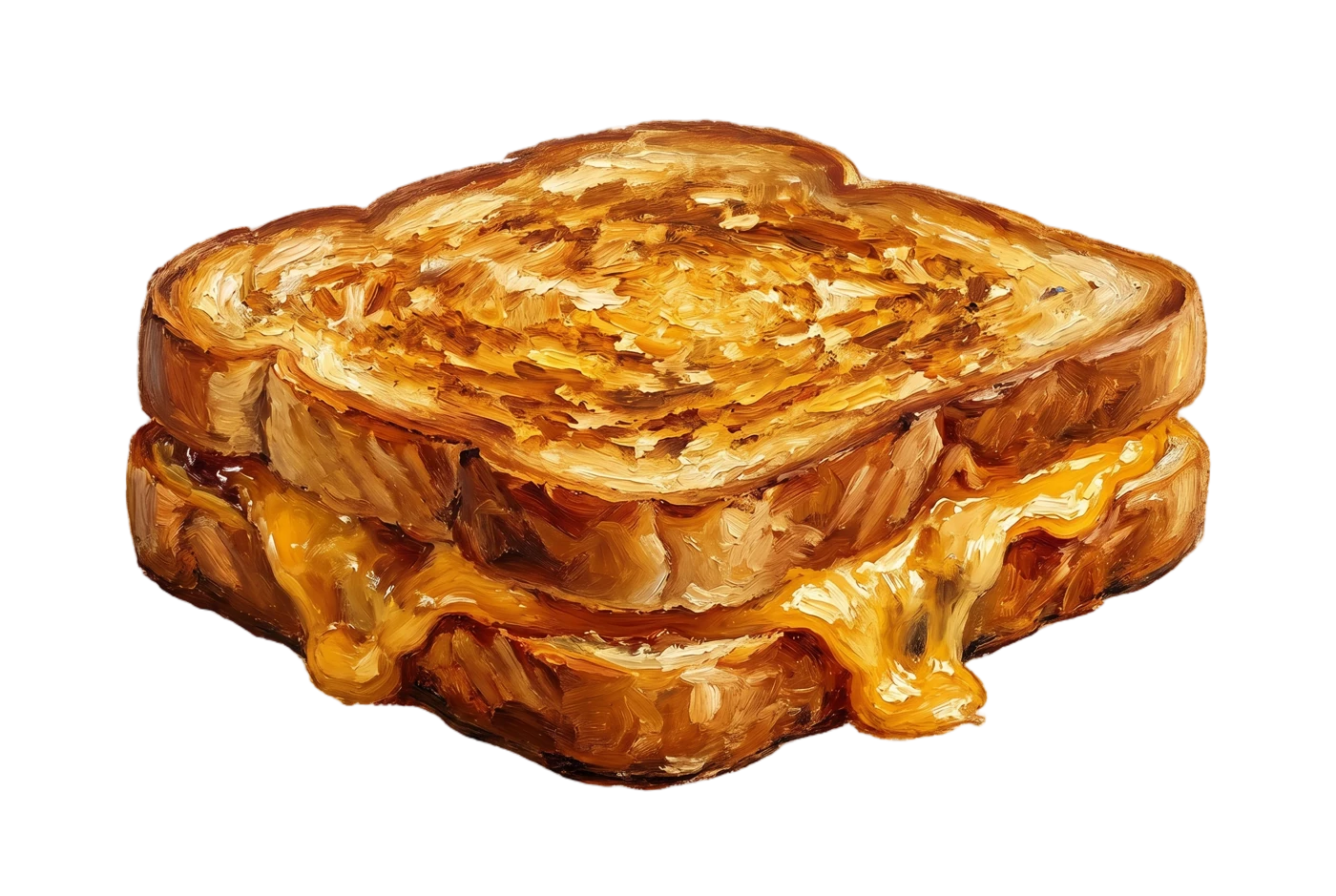
Most bad grilled cheeses fail for the same reason: the wrong cheese. We've griddled our way through a depressing number of greasy, won't-melt sandwiches building this app, and the pattern never changes — people grab a cheese they love to eat instead of a cheese that loves to melt. Those are two different things. A great grilled cheese needs both, and almost no single cheese gives you both. Here's what actually works, why, and the one move that beats any cheese on its own.
Melt and flavor are two different jobs
Meltability comes down to moisture, fat, and age. Younger, wetter cheeses slump into a smooth, glossy pool. Older, drier cheeses taste incredible but tend to break and weep oil the second they get hot. That's the whole tension.
The cheeses with the best melt are usually the ones with the least personality, and vice versa. You rarely get both in one block — which is exactly why we blend (more on that below).
The melters that actually work
These give you the pull-apart, glossy stretch. Any one of them makes a solid grilled cheese alone, and they're the base you build a blend on:
- American cheese — the texture champ. Cooper Sharp from the deli counter is our go-to, but yes, even Kraft Singles work: the emulsifying salts give you a flawless, never-greasy melt. Short on flavor, unbeatable on melt.
- Young cheddar — a medium Tillamook or Cabot, not a crumbly five-year-aged one. Melts clean and tastes like a grilled cheese should.
- Monterey Jack — buttery and mild, one of the smoothest melters there is.
- Havarti — creamy, supple, melts like a dream with a gentle tang.
- Fontina (the real Italian Fontina Val d'Aosta) — nutty and earthy with a gorgeous melt. A real step up in flavor that still behaves.
- Gruyère — nutty and grown-up; the move when you want a 'fancy' grilled cheese. Melts silky.
- Comté or Emmental — Alpine, sweet, nutty, clean melters.
- Low-moisture mozzarella — mild on its own, but unbeatable for stretch. Use it to boost the pull in a blend.
The flavor cheeses (don't melt these alone)
These taste amazing and behave badly. Melt sharp cheddar or a hunk of aged Gouda solo and it'll seize, split, and leak oil all over your pan. Use them to season the melt, not carry it:
- Sharp or aged cheddar — huge flavor; pair it with a smooth melter so it doesn't go greasy.
- Taleggio — funky, washed-rind, fantastic balanced against something mild.
- Blue cheese — a little crumbled into a melter goes a long way.
- Parmesan or aged Gouda — intense and salty; a small grated amount adds savory depth, and any that escapes onto the pan crisps into a frico edge you'll fight over.
The actual answer: blend a melter with a flavor cheese
Almost every grilled cheese we'd put our name on uses two cheeses, roughly two parts smooth-melter to one part flavor cheese. The melter brings the texture; the flavor cheese brings the taste. Neither does the other's job.
Our desert-island combo is deli American plus a handful of grated sharp cheddar — diner-perfect. When we're feeling fancy it's Gruyère and fontina. Jack and sharp cheddar is the easy crowd-pleaser. Mozzarella, provolone, and a little Parmesan is the stretchy, savory one.
What to skip (and the mistake everyone makes)
The single most common grilled-cheese mistake we see: pre-shredded bagged cheese. It's dusted with anti-caking starch that exists specifically to stop it from clumping — which also stops it from melting smoothly. You get a grainy, oily mess. Buy a block and grate it yourself; it takes thirty seconds.
Also skip very hard aged cheeses on their own (they seize and weep oil) and fresh, wet mozzarella (it soaks the bread soggy — go low-moisture instead). And don't bother with halloumi or paneer here; they're built to hold their shape on a grill, not to melt.
How to actually melt it
The right cheese still fails if you rush it. Grate or thinly slice it — more surface area melts faster and more evenly — and let it lose its fridge chill before it hits the pan.
Cook low and slow in a cast-iron or heavy skillet with a lid (or a loose foil tent) so the center melts before the bread scorches. And spread mayo, not butter, on the outside of the bread — it browns more evenly and crisps better. Trust us on that one. Patience over high heat, every single time.
Frequently asked questions
What is the best all-around cheese for grilled cheese?
A blend beats any single cheese: about two parts smooth melter (American or young cheddar) to one part flavor cheese (sharp cheddar or Gruyère). You get the glossy melt and the big flavor at once.
Why won't my cheese melt smoothly?
Usually it's either an aged, hard cheese (which weeps oil) or pre-shredded bagged cheese (coated in anti-caking starch that blocks a clean melt). Use a younger, higher-moisture cheese and grate it yourself from a block.
Can you use mozzarella for grilled cheese?
Yes, for stretch — but it's mild, so pair it with a sharper cheese for flavor, and use low-moisture mozzarella, not fresh (fresh is too watery and makes the bread soggy).
Is American cheese good for grilled cheese?
It's the best for texture. Emulsifiers give American cheese the smoothest, glossiest melt of any cheese. Many of the best grilled cheeses use it for melt and add a flavorful cheese like sharp cheddar alongside.
Should you grate or slice the cheese?
Grating melts fastest and most evenly; thin slices also work. Just avoid pre-shredded bagged cheese — the anti-caking coating keeps it from melting smoothly.