
How to Keep a Sandwich From Getting Soggy
By The Sandwich App · Updated June 2026
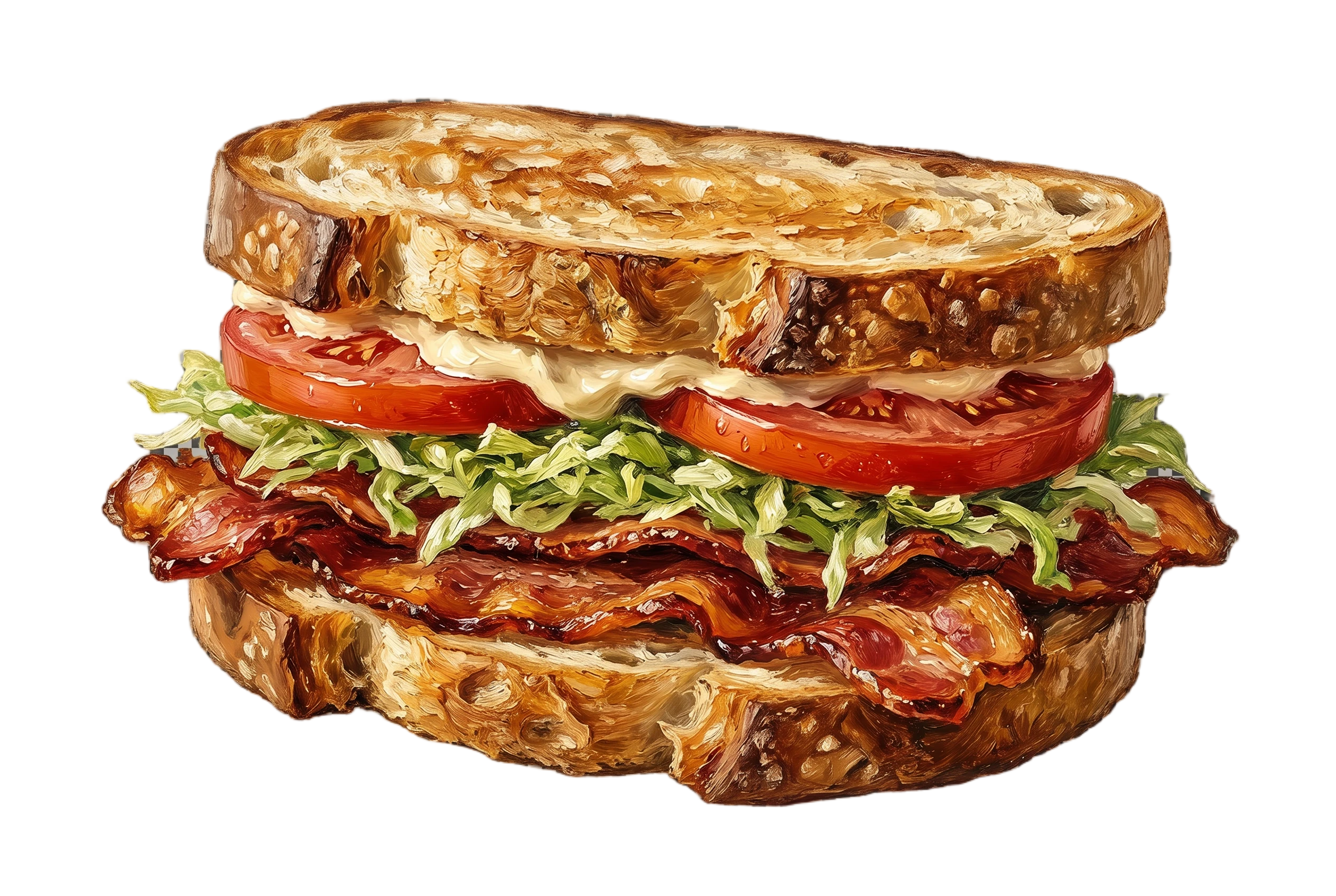
You built it at 7 a.m. — toasted bread, good tomato, a swipe of mayo — and by lunch it's a damp, gray disappointment. We've all opened that lunchbox. So we packed something like a hundred sad sandwiches to figure out exactly where the water comes from and how to stop it. Sogginess is just one thing: moisture from your fillings creeping into the bread over the hours between making and eating. Block that migration and the bread holds. Here's the order we build in, the veg prep nobody tells you about, and how to wrap it so it breathes.
Seal the bread with a fat barrier
The single biggest fix is a moisture barrier, and it lives right against the bread. Fat repels water. So spread a thin, even layer of mayo, softened butter, or even a smear of cream cheese edge to edge on the inside of each slice — corners included. The gaps are where water sneaks through, so don't leave bare spots near the crust.
Cheese works the same way. A full slice laid flat against the bread acts as a waterproof tile between the bread and anything juicy stacked on top. We get the best results doubling up: a fat spread on the bread, then a cheese layer, then the wet stuff. Two barriers, two lines of defense.
- Spread mayo, butter, or cream cheese fully edge to edge, including the corners.
- Lay a full slice of cheese flat against the bread as a second waterproof layer.
- Keep the spread thin and even — you want a seal, not a puddle.
Toast the bread and pick a sturdy loaf
Soft white sandwich bread soaks up water like a sponge. A sturdier loaf — sourdough, a dense whole grain, a good ciabatta or a baguette — has tighter crumb and more structure, so it resists going limp for longer.
Toasting helps twice. It drives off some of the bread's own surface moisture and firms up the outside, which slows how fast anything wet can soak in. You don't need it dark; lightly golden is plenty. For a sandwich that has to sit for hours, toasted sturdy bread plus a fat barrier is the combination we reach for every time.
Dry out the wet vegetables
Tomato, cucumber, and pickles are mostly water, and a ripe summer tomato is the worst offender. Cutting them open releases that water straight into your bread.
The trick we lean on: salt and blot. Lay the slices out, sprinkle both sides lightly with salt, and let them sit a few minutes. The salt pulls moisture to the surface, where it pools. Then press the slices gently between paper towels to blot it away. You get a tomato that's seasoned and far drier. Pickles get a hard pat-dry too. If a sandwich has to travel a long way, the safest move is to skip the salting and just pack the wet veg separately, then add it right before eating.
- Salt tomato and cucumber slices on both sides; let them sit a few minutes.
- Blot the slices well between paper towels before they touch the sandwich.
- Pat pickles dry, or leave them out and add at lunch.
- For long hauls, pack wet veg in a separate container entirely.
Layer in the right order
Order matters because the goal is keeping water away from bread and dressings off the crumb. We build from the outside in, with the driest, fattiest things hugging the bread and the wettest things buried in the middle.
Put condiments and dressing in the center of the stack, not smeared against the bread, or serve them on the side in a little pot. A leaf of crisp lettuce works as a bonus barrier — lay it down to shield the bread from a juicy tomato above it. Vary your stack to the fillings, but the principle holds: dry and fatty outside, wet and saucy locked in the core.
- Bottom bread → fat spread (mayo/butter).
- Cheese slice.
- Lettuce as a shield.
- Drier proteins and fillings.
- Wet veg (salted and blotted) in the middle.
- Condiments/dressing in the center, never against the bread.
- More lettuce → cheese → fat spread → top bread.
Wrap it so it breathes — or pack it apart
What you wrap a sandwich in changes how it ages. Plastic wrap and foil trap moisture against the bread; they don't let anything escape, so steam and juice sit there and soften the crumb. Parchment or wax paper is porous — it holds the sandwich together while letting a little moisture move through, so the bread stays drier on a long morning.
The most reliable approach for a prep-ahead lunch is to not assemble it at all. Pack the bread, the spread-sealed components, and the wet stuff in separate containers and build the sandwich at lunch. It takes thirty seconds and the bread never had a chance to go soft. If you'd rather grab and go, our Sandwich App lets you save your go-to builds with the layering order baked in, so the soggy-proof version is the one you actually make.
- Use parchment or wax paper, which breathes, over plastic or foil, which traps moisture.
- For the crispest result, pack components separately and assemble at lunch.
- Keep the sandwich cool — a chilled lunch bag slows moisture migration.
Frequently asked questions
What's the best moisture barrier to stop a soggy sandwich?
A thin layer of fat spread edge to edge on the bread — mayonnaise, softened butter, or cream cheese — plus a full slice of cheese laid flat. Fat repels water, so it blocks juice from the fillings from soaking into the crumb. Cover the corners; bare spots are where water gets through.
How do I keep tomatoes from making my sandwich soggy?
Salt the slices on both sides and let them sit a few minutes so the salt pulls water to the surface, then blot them between paper towels before they go on. That seasons the tomato and removes most of the excess juice. For sandwiches that sit for hours, pack the tomato separately and add it right before eating.
Should I toast the bread to prevent sogginess?
Yes. Toasting drives off some of the bread's surface moisture and firms up the outside, so wet fillings soak in more slowly. You don't need it dark — lightly golden is enough. Pair toasted, sturdy bread like sourdough with a fat barrier for the best hold.
Is parchment or plastic wrap better for keeping sandwiches fresh?
Parchment or wax paper. It's porous, so it lets a little moisture escape while still holding the sandwich together. Plastic wrap and foil seal moisture in against the bread, which steams the crumb and speeds up sogginess. For the crispest lunch, pack the parts separately and build it when you eat.
How far ahead can I make a sandwich without it getting soggy?
With a fat barrier, sturdy toasted bread, and dried-out veg, a morning-to-noon window holds fine. Beyond a few hours, your best bet is packing the wet ingredients and dressings separately and assembling at lunch — that way the bread never sits against moisture at all. Keeping it cool helps too.