
The Best Bread for Sandwiches (by Type)
By The Sandwich App · Updated June 2026
We argued about this for a full afternoon in the test kitchen, and the fight ended the way it always does: there is no single best bread, only the right bread for the sandwich in front of you. A pillowy slice that's perfect for PB&J will turn to paste under hot pastrami. A crusty baguette that makes a great bánh mì will shred the roof of your mouth on a club. So we stopped looking for a winner and started matching. Below is how we pair bread to filling, the few principles that drive every choice, and a quick chart for when you're standing at the bakery counter deciding.
Start with the filling, not the bread
The mistake we made for years was picking a loaf we loved and forcing every sandwich into it. Backwards. The filling sets the rules. Heavy, wet, or saucy fillings need bread with backbone. Light, dry, or delicate fillings want something soft that won't fight back.
Three things decide the match. First, structure versus weight: can the slice carry the load without going soggy or collapsing? Second, crust-to-crumb ratio: a thick, chewy crust adds resistance, which is great under brisket and miserable under egg salad. Third, soft versus sturdy: soft bread flatters tender fillings and cushions the bite; sturdy bread survives moisture, heat, and pressing. Get those three right and the bread disappears into the sandwich the way it should.
Soft white and Pullman: the everyday workhorses
Soft white sandwich bread and its tighter-crumbed cousin, the Pullman (pain de mie), are the default for a reason. The crumb is fine and even, the crust is barely there, and the flavor stays out of the way. That neutrality is the point.
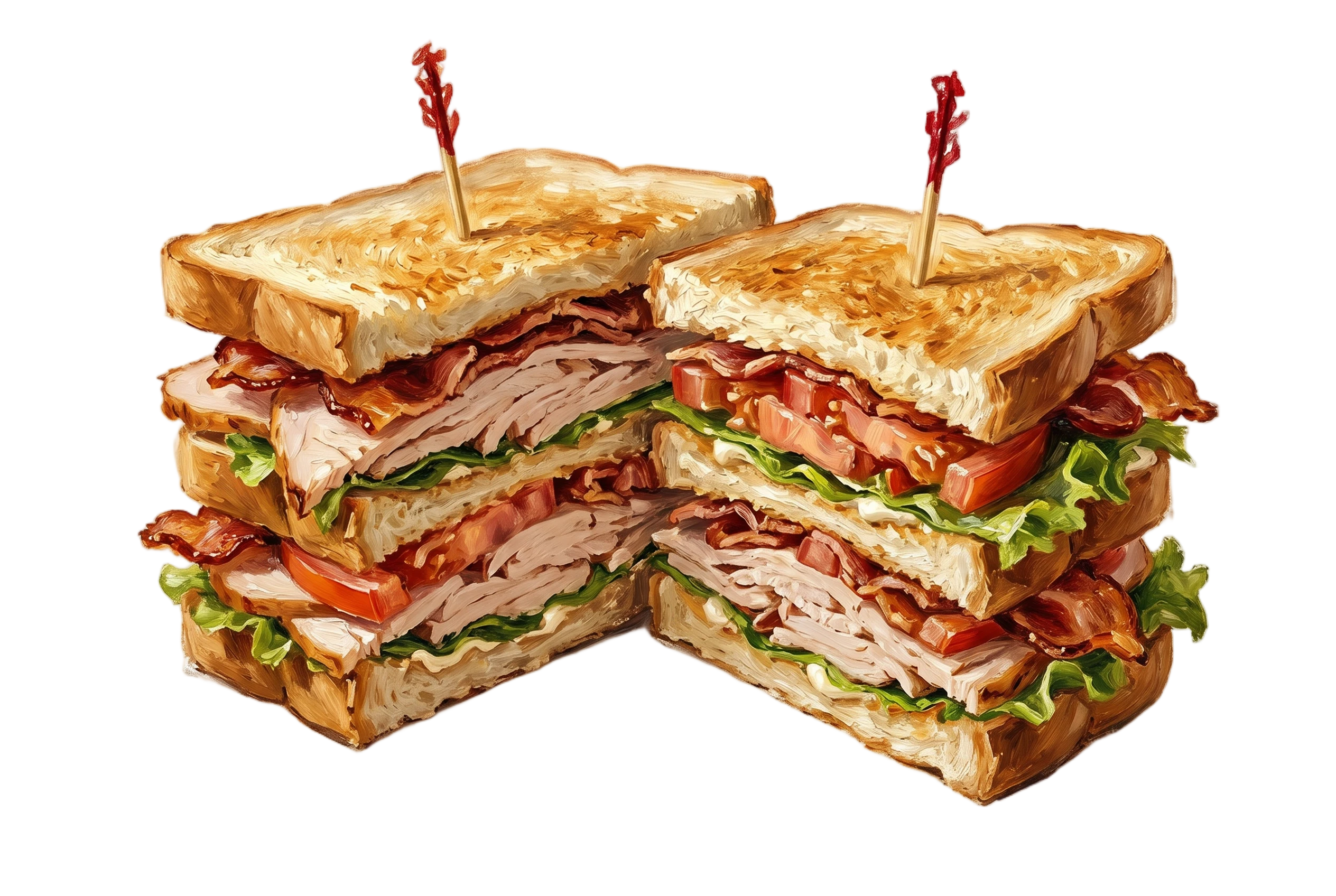
This is the bread for a PB&J, a classic deli sandwich on white, and the club. The club especially leans on soft bread: it's a tall, three-layer stack with bacon, turkey, lettuce, tomato, and mayo, and a crusty loaf would make it impossible to bite cleanly. Toasted lightly, white bread firms up just enough to handle mayo and tomato without surrendering. Pullman's square slices and dense, uniform crumb also make it the move for tea sandwiches and anything you want to cut into tidy shapes.
Rye, hoagie rolls, and the sturdy crowd
When the filling gets serious, you need bread that pushes back. Rye is the classic example. Jewish-style rye, usually seeded with caraway, has a denser, chewier crumb and a firmer crust than wheat bread, so it resists the moisture from pastrami fat, melted Swiss, and sauerkraut instead of dissolving into it. That structure is the whole reason a Reuben or a pastrami on rye holds together through grilling and pressing. The caraway also does real flavor work: its faint anise note plays off the peppery pastrami rub and the tang of sauerkraut.
For subs and hoagies, you want an Italian roll or hoagie roll: a long loaf with a crust that's crisp but yielding and a crumb sturdy enough to soak up oil, vinegar, and meat juices without falling apart. A proper Italian hoagie packed with capicola, salami, provolone, and shredded lettuce demands a roll that has some chew and a little tear-resistance, not a soft hot-dog bun. The crust should give way on the first bite, not splinter.
Crusty breads for pressing, dipping, and big flavor
Some sandwiches are built around the bread's crust, not in spite of it. Ciabatta is our pick for anything pressed or paninied. Its open, irregular crumb has pockets that crisp beautifully under a hot press, and the sturdy structure won't squash flat. A day-old ciabatta presses even better than a fresh one, because slightly dry bread crisps faster and soaks up less of the filling's moisture.
Baguette is for sandwiches that want a thin, crackly crust and an airy interior you can bite through cleanly. A French-style baguette makes a perfect jambon-beurre: just ham, good butter, and that shattering crust. For bánh mì, look for a Vietnamese-style baguette specifically, which is lighter, with a thinner crust and a more open, airy crumb than the dense French version. (And no, despite what you'll read online, classic bánh mì dough isn't built on rice flour. The lightness comes from high hydration and a hot, steamy bake.)
Sourdough earns its keep on grilled cheese and hearty, flavor-forward sandwiches. The tang stands up to sharp cheddar and rich fillings, and the chewy crumb crisps into a sturdy, golden shell in the pan. It's bread with an opinion, so use it when you want the bread to be part of the conversation, not when you want it to vanish.
Rich breads: brioche, milk bread, focaccia
Enriched breads bring butter, egg, or oil into the dough itself, which changes what they pair with. Brioche and Japanese milk bread are soft, slightly sweet, and tender. They're great under fried chicken, egg sandwiches, and anything where a little richness in the bread is welcome. The catch: that softness gives out fast under heavy moisture, so keep wet fillings in check or toast the cut side to build a small moisture barrier.
Focaccia is its own category. Olive-oil-rich, often dimpled and herbed, with a tender, open crumb, it makes a sandwich that's almost a meal on its own. Split it horizontally and it holds roasted vegetables, mozzarella, prosciutto, and pesto well, especially if you press it lightly. Because focaccia already carries so much flavor and oil, pair it with fillings that can match that intensity rather than something delicate that gets bulldozed.
The quick match chart
When you're at the counter and don't want to overthink it, this is the cheat sheet we use:
- Soft white / Pullman — PB&J, classic deli, club, tea sandwiches
- Rye (seeded) — pastrami, Reuben, corned beef, anything with sauerkraut
- Italian / hoagie roll — subs, hoagies, meatball, Italian cold cuts
- Ciabatta — pressed sandwiches, paninis, anything grilled flat
- Baguette — bánh mì, jambon-beurre, ham and butter, simple and crusty
- Sourdough — grilled cheese, hearty meat-and-cheese, big flavors
- Brioche / milk bread — fried chicken, egg sandwiches, rich and tender builds
- Focaccia — roasted veg, mozzarella and prosciutto, oil-friendly fillings
Frequently asked questions
What is the best bread for sandwiches overall?
There isn't one. The best bread is the one matched to your filling. Soft white or Pullman is the safest all-purpose choice for light, everyday sandwiches, but heavy or saucy fillings need sturdier bread like rye, ciabatta, or a hoagie roll to keep from going soggy.
Should I toast my sandwich bread?
Toasting firms up soft bread and builds a light moisture barrier, which helps with wet ingredients like tomato, mayo, or dressing. We toast the cut side of brioche and milk bread for this reason. For pressed sandwiches on ciabatta or sourdough, the press does the crisping for you, so a separate toast isn't needed.
Why is rye bread used for pastrami and Reubens?
Rye has a denser, chewier crumb and firmer crust than wheat bread, so it resists the moisture from fatty pastrami, melted cheese, and sauerkraut instead of dissolving. The caraway seeds in seeded rye also add a subtle, earthy note that complements the spiced meat. Structure plus flavor is why it's the standard.
Is fresh or day-old bread better for pressed sandwiches?
Slightly stale bread, a day or two old, often presses better. It's a little drier, so it crisps faster under heat and soaks up less moisture from the filling. Ciabatta and sourdough are forgiving this way. For soft sandwiches eaten cold, fresher is better.
What bread works for a club sandwich?
A club is a tall three-layer stack, so you want soft, thin white or Pullman bread, lightly toasted. The toast adds just enough structure to handle mayo, tomato, and bacon, while the soft crumb lets you bite cleanly through all the layers. A crusty loaf would make a club nearly impossible to eat.